A good design organizes both space and its use.
It introduces a clear structure in which every element has its place and purpose.
The foundation is the relationship with the client and an understanding of their needs.
The design develops in response to lifestyle, daily rhythm, and connection with the surroundings.
The functional layout is essential.
Circulation, zoning, and spatial relationships define comfort and everyday usability.
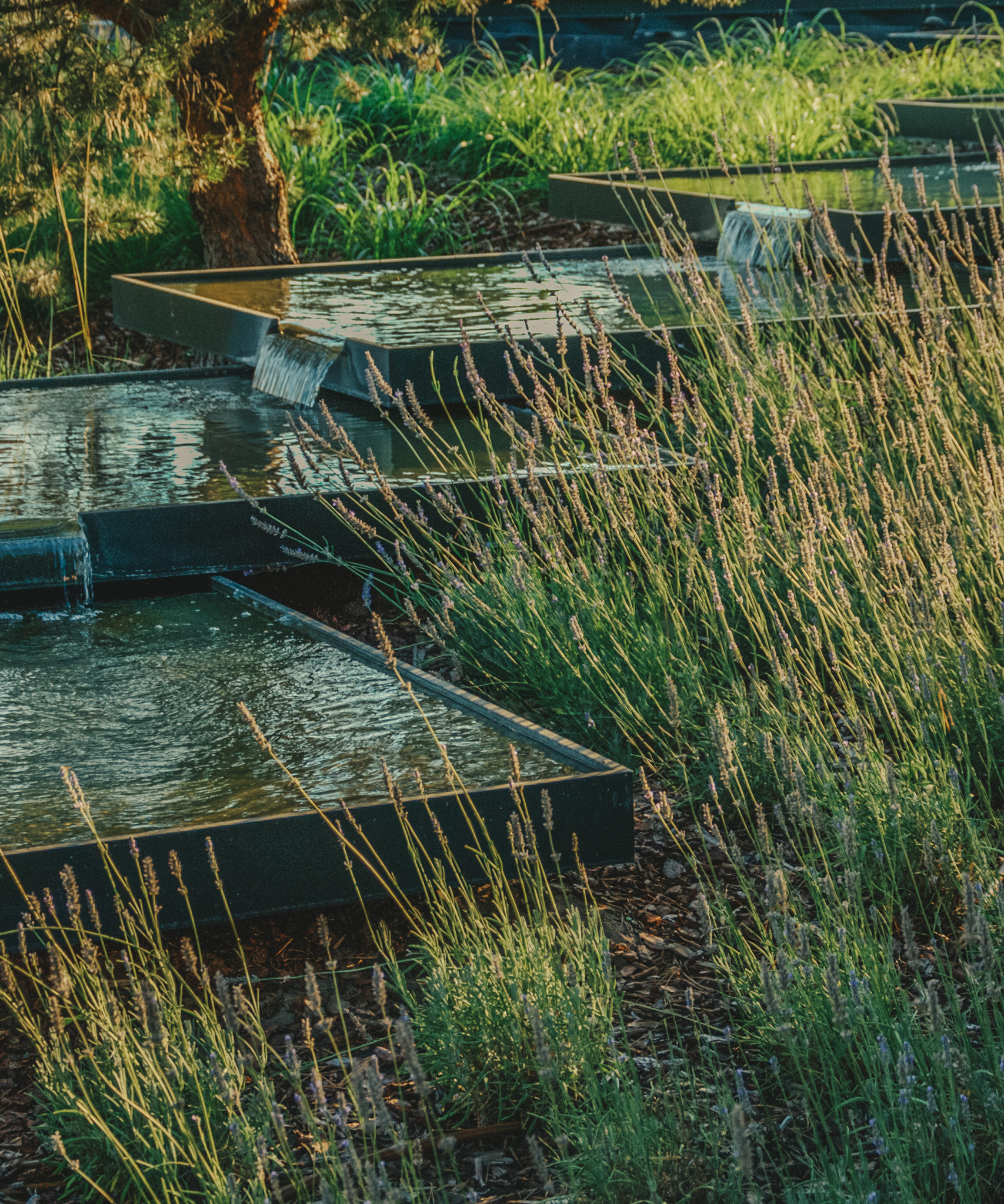
Equally important is consistency between garden, architecture, and interior.
Materials, proportions, and spatial language create a unified expression.
The project responds to context.
Site conditions, surroundings, and existing elements influence composition and design choices.
Durability is key.
Materials, plants, and spatial structure should maintain their quality over time.
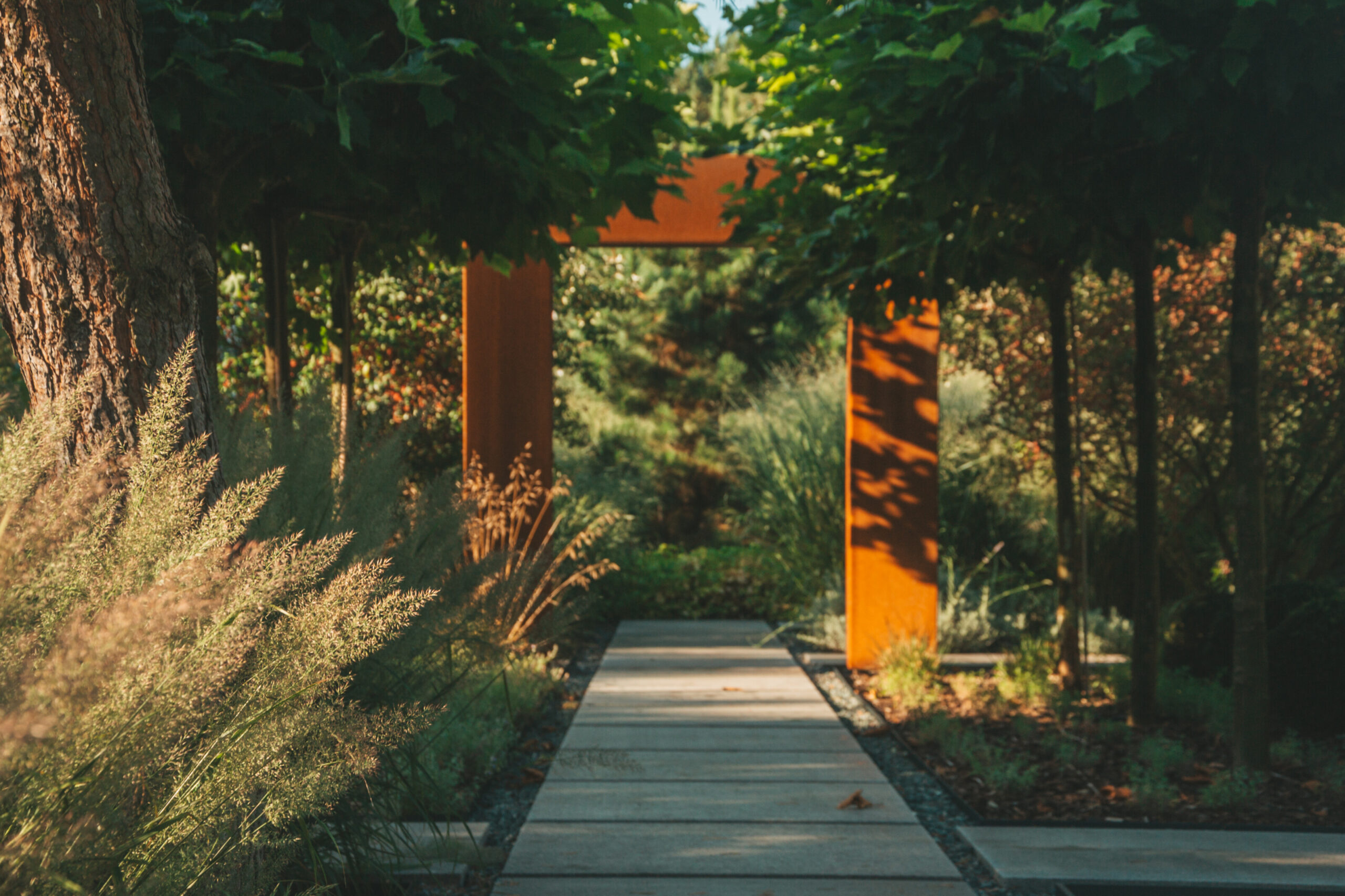
A good design evolves together with the garden and its user.
In many cases, it leads to long-term collaboration beyond completion.
The garden functions as a process — changing over time and requiring attention.
Maintaining coherence and supporting its evolution becomes a natural continuation of the project.
In our work, we see design as a structure of decisions that leads to a space aligned with a specific way of living and capable of retaining its value over time.